Japanese Warrior Name Generator
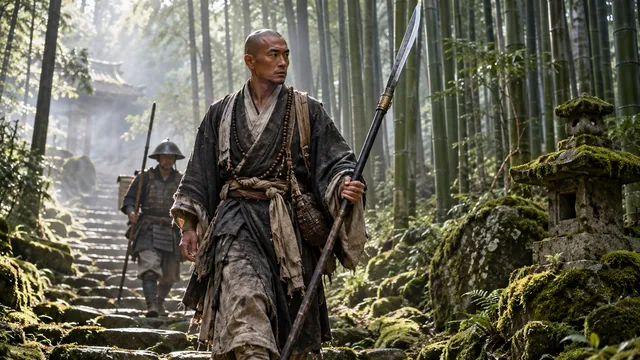
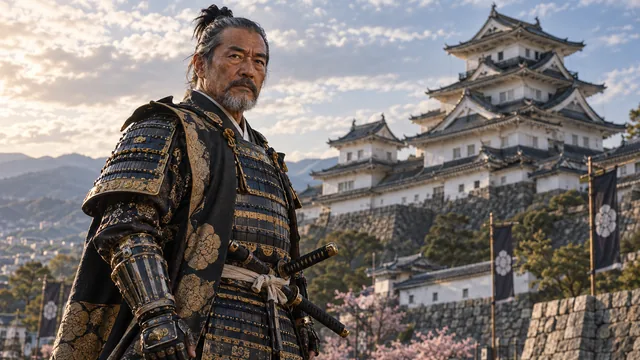
Pick a role, from samurai and daimyo to warrior monk and foot soldier, and get a name that fits it.
Shinobi names for fiction
Create a name for a shinobi character: a believable Japanese name tied to the Iga and Koka tradition, a single-word alias, or a codename with an English call sign. Fictional parts are labelled, so you always know what is history and what is story.
Choose what kind of name you need, set the tone and generate.
1Choose a name type
2Tune your batch
Choose your options and press Generate Ninja Names to see your first batch.
Tap Save on any result to keep it here. Favorites stay on this device.
The popular image of the black-clad assassin owes more to theater, film and comics than to history. Real shinobi were spies, scouts and raiders. Many were themselves warriors of local landholding families, especially in Iga and Koka, and they could serve a samurai lord much as other retainers did. The line between shinobi and samurai was blurry: Hattori Hanzo, the most famous name connected with Iga, was a Tokugawa commander, and a gate of Edo Castle, Hanzomon, still carries his name.
One historical detail is a gift for writers. Fuma Kotaro (風魔小太郎), leader of a band serving the Hojo of Odawara, was a name used by successive leaders, passed on almost like a title. A name that outlives the person who carries it is far more interesting than a random codename.
| Type | Example | Kanji | Meaning | Status |
|---|---|---|---|---|
| Formal name | Fujibayashi Hayate | 藤林疾風 | wisteria woods, gale | Historical-inspired |
| Shinobi alias | Oboro | 朧 | hazy moonlight | Creative |
| Shinobi alias | Kirigakure | 霧隠 | hidden in the fog | Creative, from later fiction |
| Codename | Kurokaze | 黒風 | black wind; call sign "Black Wind" | Fictional |
Use a formal name when the character lives in a historical setting or has a public identity. Use an alias when the character is known by reputation. Save codenames for modern, sci-fi or game settings where call signs feel natural.
Ninja names are a staple of action fiction, anime-inspired stories and games. Formal names suit historical novels and samurai dramas; aliases suit fantasy adventures and tabletop campaigns; codenames suit squads, clans in online games and modern thrillers with a Japanese flavor.
Accuracy note: formal names combine real family names associated with Iga and Koka with real Japanese given names; they are fictional characters, not documented people. Aliases and codenames are creative inventions made from real Japanese words and do not reflect a documented historical naming practice.
To read more about shinobi alongside samurai, foot soldiers and warrior monks, see our guide to Japanese warrior names beyond the samurai.
FAQs
Both are written with the character 忍, linked to enduring and acting in secret. Shinobi (忍び) was the usual historical word. The reading ninja (忍者) became the standard popular term only in the twentieth century.
There is no good evidence for a system of ninja codenames like the ones in films and games. Real shinobi were spies, scouts and raiders, often warriors of local families with ordinary Japanese names. Aliases and codenames in this tool are creative and are labelled that way.
Iga (伊賀) and Koka (甲賀, also read Koga) were neighboring regions in what are now Mie and Shiga Prefectures, and they became especially associated with shinobi skills. Formal names use family names linked with that tradition, such as Hattori and Momochi.
No. The family names are real and associated with shinobi, but the full name is a fictional combination. Hattori Hanzo, for example, was a real Tokugawa commander of Iga descent; a result like Hattori Kasumi is a new character, not a historical one.
Gakure comes from kakure, "hidden," so Kirigakure means hidden in the fog. The pattern was made famous by later storytelling, especially the hero Kirigakure Saizo of early twentieth-century adventure books, rather than by historical records.
Codenames such as Kurokaze (black wind) are words, not personal names, so they are not gendered. Gender applies to formal names, where the personal name changes.
More tools
Name the lords who hire your shinobi and the warriors they shadow.
Pick a role, from samurai and daimyo to warrior monk and foot soldier, and get a name that fits it.
The main tool: twelve styles from classic samurai to gamer tags, with kanji, meanings and a personal name option.
House names for families and factions, with real historical clans clearly separated from fictional ones.
Names for katana and other blades, built on real patterns such as -maru and -kiri, with translations.
Keep reading
Bushi, mononofu, tsuwamono, musha: the Japanese words for warrior, and the foot soldiers, warrior monks and shinobi who fought alongside the samurai.
Seven famous samurai names, from Minamoto no Yoshitsune to Saigo Takamori, and the surprising stories of how each warrior came to be known by them.
How to make samurai usernames, clan and guild names and character names that read well, sound right in Japanese and survive voice chat.