Samurai Name Generator
The main tool: twelve styles from classic samurai to gamer tags, with kanji, meanings and a personal name option.
Names for blades
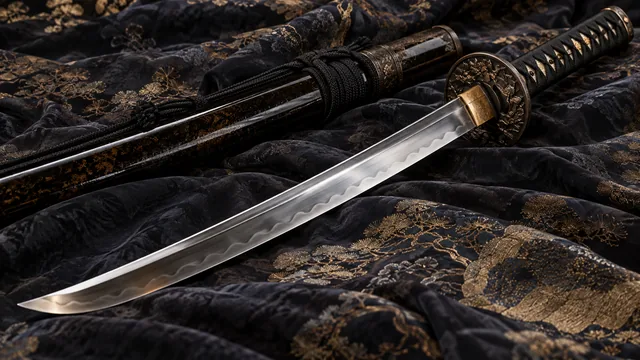
Give a fictional katana or other Japanese blade a name with a story in it. Choose the blade, a theme and a naming style, and get the name in kanji with an English translation, the pattern behind it and a short flavor line.
Choose a naming style, then the blade and theme. Every name comes with kanji, a translation and the pattern it follows.
1Choose a naming style
2Choose the blade and theme
Choose your options and press Generate Sword Names to see your first batch.
Tap Save on any result to keep it here. Favorites stay on this device.
Two different "names" can be attached to a Japanese sword. The mei (銘) is the signature a smith chiseled into the tang, usually his own name and sometimes a date. The go (号) is a nickname given to an individual blade by owners, collectors or tradition. When people talk about a named sword, they mean the go, and famous swords are often known by both together: in Mikazuki Munechika, Mikazuki is the nickname and Munechika the smith.
The nicknames tell stories. The five most celebrated blades, the Tenka Goken or "Five Swords Under Heaven," show almost every method in one list: what the sword cut (Dojikiri, "Doji cutter"), how it looks (Mikazuki, "crescent moon," for crescent patterns in the steel), a creature from its legend (Onimaru, "demon"), its maker (Odenta) and an object tied to its owner (Juzumaru, "prayer beads").
| Style | Pattern | Example | Kanji | Translation |
|---|---|---|---|---|
| Traditional | word + -maru | Yukimaru | 雪丸 | "Snow," a cherished blade |
| Traditional | word + -kiri | Kazekiri | 風切 | Wind Cutter |
| Heroic | an impossible deed + -kiri | Tsukikiri | 月切 | Moon Cutter |
| Heroic | O- (great) + word + -maru | Otoramaru | 大虎丸 | Great Tiger |
| Poetic | A no B | Yuki no Sasayaki | 雪の囁き | Whisper of Snow |
| Dark | A no dark noun | Yami no Kiba | 闇の牙 | Fang of Darkness |
| Fantasy | compound + -ken / -to | Shiden-ken | 紫電剣 | Purple Lightning Sword |
The traditional patterns are the ones real named swords use. Poetic, dark and fantasy names are modern creative forms: they are written in correct Japanese, but they are not how historical blades were named, and the card says so.
A sword name works when its image is concrete. 月 (moon), 雪 (snow), 雷 (thunder), 波 (wave) and 虎 (tiger) each carry a clear picture. The theme control keeps every word in one image family, so a snow-themed batch gives you frost, blizzard and flurries rather than a random mix.
Sword names are useful for heirloom blades in novels, legendary weapons in role-playing games, item names in video games, and props or display pieces that deserve a story.
Accuracy note: every generated sword is fictional. Names use real Japanese words with their standard kanji and follow documented patterns, but no result refers to a real blade, smith or collection, and flavor lines are invented for storytelling.
For the stories of Dojikiri, Heshikiri Hasebe, Tonbogiri and other famous blades, read our guide to samurai sword names and Japan's legendary blades.
FAQs
No. Every result is a fictional name for a fictional blade, labelled Fictional blade, and the flavor line is labelled as fiction too. The names follow real Japanese naming patterns, but they do not refer to any historical sword or smith.
Maru (丸) was attached to cherished things, from boys' names to ships and swords, as in Onimaru and Kogarasu-maru. Kiri (切) comes from kiru, "to cut," and records what the blade cut, as in Dojikiri and Tonbogiri. The generator labels which pattern each name uses.
When two words join, the second sometimes starts with a voiced sound, so kiri becomes giri. This sound change, rendaku, does not happen in every compound. The generator keeps the plain -kiri reading, which is always a safe choice for an invented name; the kanji 切 stays the same either way.
It changes the flavor line and, for some names, a prefix. A wakizashi can take Ko- (小, small), and a nodachi or a heroic name can take O- (大, great), as in Otoramaru, "Great Tiger." The core naming patterns are the same for every Japanese blade.
You can, but Masamune and Muramasa are real swordsmiths and Raikiri is a real legendary blade, so borrowing them ties your sword to their history. An original name built on the same pattern keeps your blade's story its own.
Each card splits the name into Japanese syllables, such as Tsu·ki·ki·ri. Give each syllable roughly equal weight. The particle no in poetic names is pronounced like the English word "no," and means "of."
More tools
Name the warrior who carries the blade.
The main tool: twelve styles from classic samurai to gamer tags, with kanji, meanings and a personal name option.
Pick a role, from samurai and daimyo to warrior monk and foot soldier, and get a name that fits it.
Masterless samurai with Edo-style common names and optional creative epithets for seven story paths.
Formal shinobi names, single-word aliases and codenames, with the fictional parts clearly marked.
Keep reading
Japan's most famous named swords, from the Five Swords Under Heaven to Tonbogiri, and the naming patterns you can use to give your own katana a fitting name.
Dragon, tiger, hawk, crane, pine, bamboo, cherry blossom and moon: the kanji behind common samurai name symbols and what each one carries.
Seven famous samurai names, from Minamoto no Yoshitsune to Saigo Takamori, and the surprising stories of how each warrior came to be known by them.