Samurai Name Generator
The main tool: twelve styles from classic samurai to gamer tags, with kanji, meanings and a personal name option.
Every kind of fighter
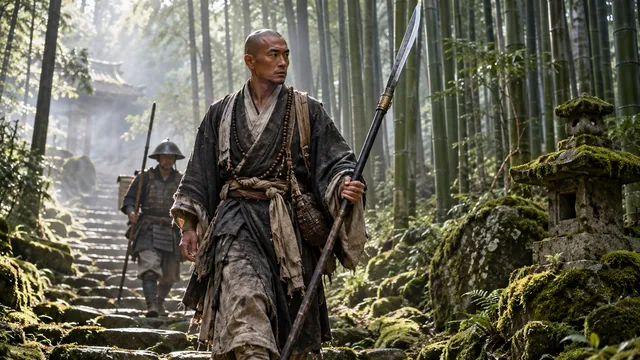
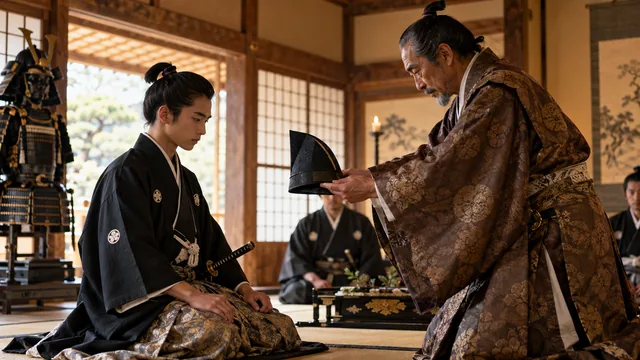
Japan's battlefields held far more than samurai. Choose a role, from a lord with a court title to a foot soldier with a single everyday name, and get Japanese warrior names that follow the pattern that role would really use.
Pick a role, set gender and theme, and generate. The role decides how the name is built.
1Choose a role
2Tune your batch
Choose your options and press Generate Warrior Names to see your first batch.
Tap Save on any result to keep it here. Favorites stay on this device.
Japanese has several words for warrior. Samurai (侍) began as "one who serves." Bushi (武士) is the formal general term. Musha (武者) is a fighting man in armor, and the older native words tsuwamono and mononofu carry a poetic, weathered tone. Around the samurai stood many other fighters, and the generator covers the ones who make the best characters:
| Role | Who they were | How the generator names them | Example |
|---|---|---|---|
| Samurai 侍 | Warriors in service to a lord | Family name + formal personal name | Kikuchi Naomasa 菊池直政 |
| Ronin 浪人 | Samurai without a lord | Modest surname + everyday common name | Hayashi Hanbei 林半兵衛 |
| Shinobi 忍び | Spies, scouts and raiders | Family linked to Iga or Koka + personal name | Momochi Kasumi 百地霞 |
| Sohei 僧兵 | Armed monks of great temples | Place + bo, then a Buddhist name | Echigobo Raiun 越後坊雷雲 |
| Daimyo 大名 | Lords of domains | Family name + formal name, with a court title | Mogami Tadakatsu, Dewa no Kami |
| Ashigaru 足軽 | Foot soldiers, "light of foot" | Everyday given name, home village instead of surname | Tokichi 藤吉 of Kitamura |
The examples above are fictional combinations built from real names and words.
Japanese names put the family first: Takeda Shingen is Shingen of the Takeda. The oldest lineage names add no between the parts, as in Minamoto no Yoritomo. Titles come after the name, so a lord might be written Mogami Tadakatsu with the court title Dewa no Kami beside it. Monks reverse the logic: the place and -bo come first, then the Buddhist name.
It is tempting to imagine each kind of warrior with its own rulebook. History is messier. A samurai who lost his master became a ronin overnight and could later regain his rank. Shinobi were often warriors of local families. Some ashigaru counted as samurai in one domain and not in the next, and the most famous of them, Toyotomi Hideyoshi, rose to rule Japan and collected new names along the way. The role in this tool shapes presentation and naming habits, not a fixed caste.
For a story set in a real period, keep names plain: a modest surname, a two-character formal name, a common name for daily use. Titles should match rank, and a foot soldier should not sound like a lord. For fantasy, you can push the meanings harder with the theme control, or switch to the Samurai Name Generator and its Anime Hero and Legend styles.
Accuracy note: results are fictional combinations of real Japanese names and words. Family names associated with shinobi, such as Hattori and Momochi, belonged to real families, so a result is a character inspired by that tradition, not a documented person. Role labels describe common naming habits and are not a claim that each group had a unique system.
To learn more about bushi, ashigaru, sohei and shinobi, read our guide to Japanese warrior names beyond the samurai, and for ranks and titles, samurai titles from shogun to ashigaru.
FAQs
Not as a strict system. All of them used Japanese names, and the same person could move between roles, from samurai to ronin and back. What differed was status and context: a lord carried a court title, a foot soldier was often recorded by given name alone, and a monk used a Buddhist name. The generator follows those habits.
Samurai comes from a verb meaning "to serve" and came to mean a warrior in service and then the hereditary warrior class. Bushi (武士) is the more formal general word for a warrior. In English they are often used interchangeably.
Many warrior monks were known by a name ending in -bo (坊), a word for a monk's lodging, often joined to a place name and followed by a Buddhist name. The famous example is Musashibo Benkei. The generator builds sohei names the same way.
Many ashigaru came from farming or village backgrounds, and outside the warrior elite surnames were not officially used, so records often name them by a given name alone, sometimes with a village. The card adds a home village instead of a family name.
Warrior monks and ashigaru were men in the historical record, so those roles use men's naming patterns and the gender buttons are disabled. Other roles offer female names, with notes where a female character would be a fictional choice.
It means governor of a province, as in Shinano no Kami, governor of Shinano. By the Sengoku period these court titles were usually honorary and did not mean the lord actually governed that province.
More tools
Go deeper into one kind of warrior.
The main tool: twelve styles from classic samurai to gamer tags, with kanji, meanings and a personal name option.
Masterless samurai with Edo-style common names and optional creative epithets for seven story paths.
Formal shinobi names, single-word aliases and codenames, with the fictional parts clearly marked.
House names for families and factions, with real historical clans clearly separated from fictional ones.
Keep reading
Bushi, mononofu, tsuwamono, musha: the Japanese words for warrior, and the foot soldiers, warrior monks and shinobi who fought alongside the samurai.
A clear guide to samurai titles and ranks, from the shogun and daimyo down to hatamoto, karo and ashigaru, and what court titles like "no Kami" really meant.
A samurai could have five or more names in one lifetime. Here is how childhood names, imina, common names and Buddhist names fit together, with real examples.