Symbols in Samurai Names: What Each Kanji Really Carries
Dragon, tiger, hawk, crane, pine, bamboo, cherry blossom and moon: the kanji behind common samurai name symbols and what each one carries.
The symbols in samurai names come from the kanji used to write them. A dragon, a tiger, a crane or a pine tree each brings its own associations, and those associations shift depending on whether the character sits in a childhood name, an adult name, a nickname or a crest. This guide goes through the most popular symbols one by one, with the kanji, the usual readings, what each one carries, and real names that use them.
How Symbols Enter a Name
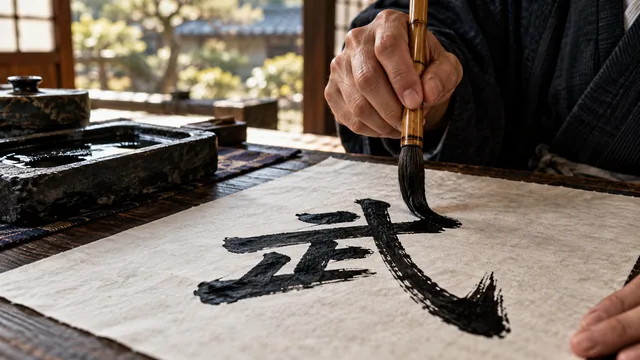
Japanese names are written in kanji, and each kanji has a meaning of its own. That means a name can carry an image without spelling it out. Someone reading 信虎 sees the characters for "trust" and "tiger" even before thinking about the person behind the name.
Symbolic characters were not spread evenly across every kind of name, though. Adult formal names (imina) of samurai tended to favor characters for virtues and qualities, such as trust, loyalty, peace or prosperity, often combined with a character inherited from the family or granted by a lord. Animals and plants turn up more often in childhood names, in common names and in the nicknames other people gave a warrior. If you want the full picture of how those different names worked, our guide to reading kanji in samurai names explains readings and inherited characters in detail.
Japanese names are given surname first throughout this post, so Takeda is the family name in Takeda Shingen.
Creatures: Dragon, Tiger, Hawk and Crane
Dragon
Dragon is written 龍 in its traditional form and 竜 in the simplified form used in modern Japan. Both appear in names. The usual readings are ryu and tatsu, and the character can also be read ryo, as in Sakamoto Ryoma (坂本龍馬), the late Edo period samurai from Tosa. In East Asian tradition the dragon is a creature of water, clouds and rain rather than a fire-breathing monster, so it carries ideas of power, rising fortune and command over the elements.
Tiger
Tiger is 虎, read tora or ko. Tigers never lived wild in Japan, so the samurai knew them through Chinese art and literature, where the tiger stood for fierce courage. The character appears in real names: Takeda Shingen's father was Takeda Nobutora (武田信虎), and Kato Kiyomasa was called Toranosuke (虎之助) as a young man. Dragon and tiger together form the compound ryuko (竜虎), used for two evenly matched rivals.
Hawk
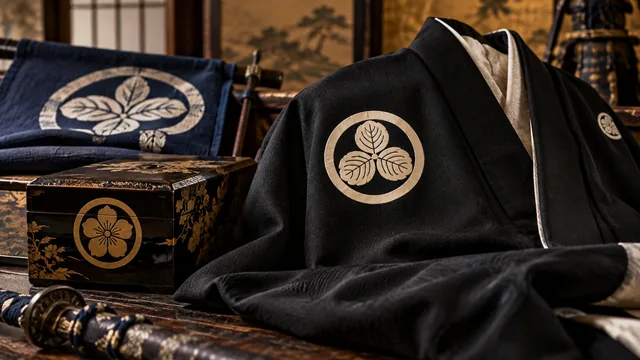
Hawk is 鷹, read taka. Falconry (takagari, 鷹狩) was a prestigious pastime of the warrior elite, and Tokugawa Ieyasu was a famous enthusiast. The hawk suggests sharp sight, patience and a sudden strike. Hawk feathers were also a popular crest motif, as our post on samurai family crests shows. In given names, though, the sound taka is far more often written with other characters, a point covered below.
Crane
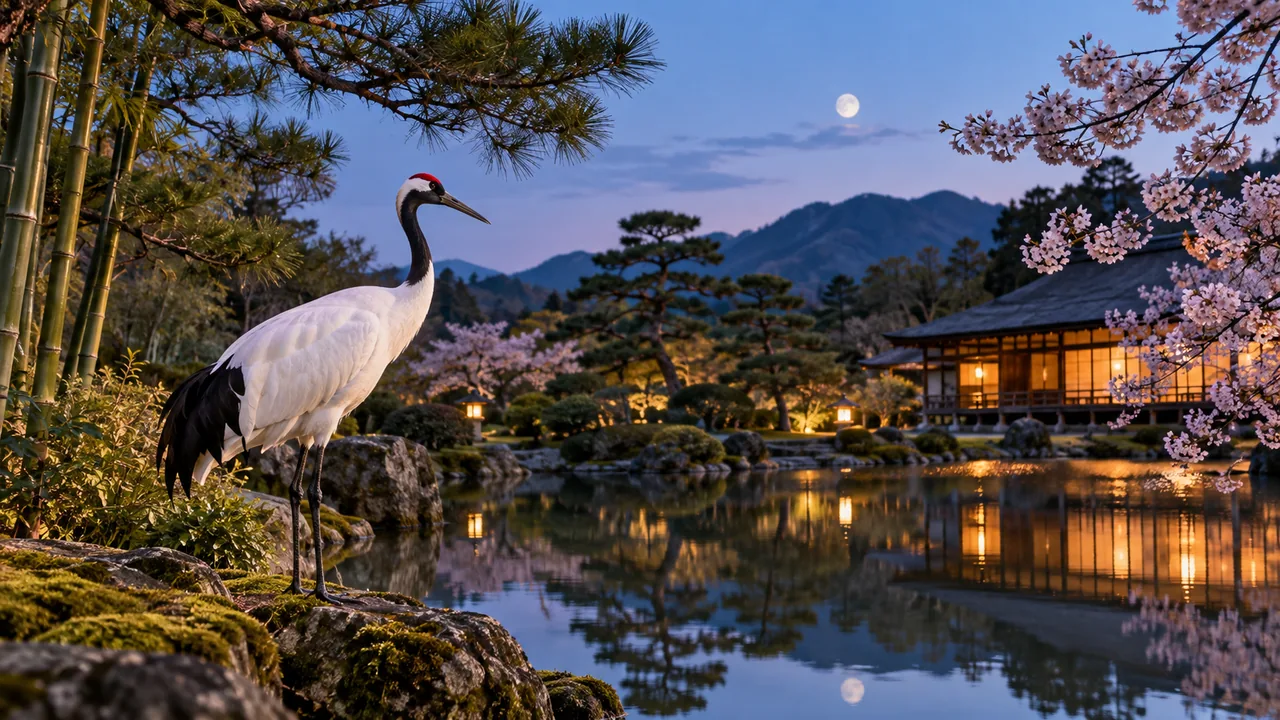
Crane is 鶴, read tsuru or kaku. The crane is a symbol of long life, captured in the saying that the crane lives a thousand years and the turtle ten thousand. That made it a natural choice for children's names, where parents hoped for a long and healthy life. Toyotomi Hideyoshi named his first son Tsurumatsu (鶴松), "crane and pine," two longevity symbols in one name. Sadly, the boy died in early childhood.
Plants: Pine, Bamboo, Plum and Cherry Blossom
Pine
Pine is 松, read matsu or sho. As an evergreen that keeps its needles through winter, the pine stands for endurance, constancy and long life, and pine branches are still part of New Year decorations. The family the Tokugawa came from was the Matsudaira (松平), a name written with the characters for "pine" and "flat" or "level."
Bamboo
Bamboo is 竹, read take or chiku. It grows straight, bends in a storm without breaking and springs back, which is why it suggests both uprightness and resilience. Tokugawa Ieyasu's childhood name was Takechiyo (竹千代), "bamboo" plus "a thousand generations," a hopeful name for a boy who would found a dynasty.
Plum
Plum is 梅, read ume or bai. The plum blossoms in late winter while snow can still be on the ground, so it carries perseverance and the first sign of spring. It is closely tied to the scholar and courtier Sugawara no Michizane, who loved plum trees. The Maeda family, which claimed descent from him, used a plum blossom crest. Pine, bamboo and plum together form shochikubai (松竹梅), a classic auspicious trio.
Cherry blossom
Cherry blossom is 桜 (traditional form 櫻), read sakura or o. Its short, brilliant bloom made it the great Japanese image of beauty that does not last, and by the Edo period it had become firmly linked with the ideal warrior, who was expected to face death without clinging to life. Historically, though, the character is rare in men's names. Sakura as a given name is mostly a modern girls' name, so the cherry blossom fits a samurai better as an emblem or a theme than as a personal name.
Tip: A strong symbol does not have to sit in the name itself. A crane on a crest, a pine in a garden scene or a cherry blossom in a death poem can carry the image while the character keeps a period-appropriate name.
Sky and Light: Moon and Radiance
Moon
Moon is 月, read tsuki, getsu or gatsu. The moon belongs to poetry, reflection and solitude, and it was a favorite subject of verse among cultured warriors. The most famous samurai image of the moon is Date Masamune's helmet, crowned with a large golden crescent. The character itself is not common in classic adult names, so it works best in art names, sword names or epithets.
Light
Light is 光. On its own it can be read hikari, but in names it is very often read mitsu, a special name reading. It appears in Akechi Mitsuhide (明智光秀) and in Tokugawa Iemitsu (徳川家光), the third Tokugawa shogun. It suggests brilliance and glory, and it combines easily with other characters.
Quick Reference Table
| Symbol | Kanji | Common readings | What it carries |
|---|---|---|---|
| Dragon | 龍 / 竜 | ryu, tatsu, ryo | Power, water and sky, rising fortune |
| Tiger | 虎 | tora, ko | Fierce courage |
| Hawk | 鷹 | taka | Keen sight, patience, the sudden strike |
| Crane | 鶴 | tsuru, kaku | Long life, grace |
| Pine | 松 | matsu, sho | Endurance, constancy, longevity |
| Bamboo | 竹 | take, chiku | Uprightness, resilience |
| Plum | 梅 | ume, bai | Perseverance, early spring |
| Cherry blossom | 桜 | sakura, o | Fleeting beauty, acceptance of death |
| Moon | 月 | tsuki, getsu | Poetry, reflection, solitude |
| Light | 光 | mitsu, hikari, ko | Brilliance, glory |
Same Sound, Different Symbol
One of the easiest ways to misread a samurai name is to assume that a sound always means the same thing. It does not. The syllables taka in a given name are much more likely to be written 高 (high), 隆 (prosperous, noble) or 孝 (filial piety) than 鷹 (hawk). The same 隆 can also be read ryu, so a name pronounced Ryu is not automatically a dragon.
The reverse also happens: one character can take several readings. That is why a name written in romaji alone tells you very little about its symbol. Whenever you see a claim like "Takashi means hawk," ask which kanji is involved. The meaning lives in the character, not in the sound.
Choosing a Symbol for Your Name
Start with what you want the name to say. Fierce and direct suggests the tiger. Watchful and precise suggests the hawk. Long life and good fortune point to the crane, pine or bamboo, and quiet endurance points to the plum. Then decide where the symbol should live: in the given name, in a childhood name, in a crest or in an epithet. A legendary nickname is often the most natural home for an animal, as the famous examples in our post on samurai nicknames and epithets show.
If you would rather browse than build from scratch, the "beasts and legends" and "nature" themes in our samurai name generator lean toward these characters, and every result lists the meaning of each kanji, so you can see exactly which symbol you are getting before you settle on a name.
Frequently Asked Questions
What kanji means dragon in Japanese names?
Dragon is written 龍 in its traditional form or 竜 in its simplified form, and both appear in names. Common readings are ryu and tatsu, and in some names it is read ryo, as in Sakamoto Ryoma.
Did real samurai have animal names?
Some did, especially in childhood names and in characters passed down within a family. Takeda Shingen's father was Takeda Nobutora, whose name contains the character for tiger, and Kato Kiyomasa was known as Toranosuke when young.
Is Sakura a good name for a samurai character?
The cherry blossom is a strong samurai image, but Sakura as a given name is mainly a modern female name. For a historical male character, it works better as a symbol in a crest, poem or nickname than as his actual name.

Written by the Samurai Names Editorial Team
We research samurai history, Japanese names and kanji, and check every name against standard dictionaries. Read our editorial policy or contact us with corrections.