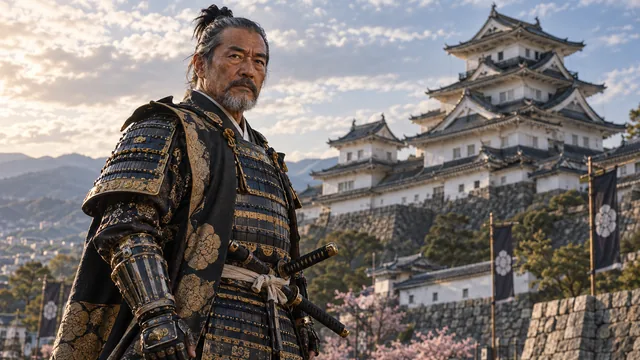
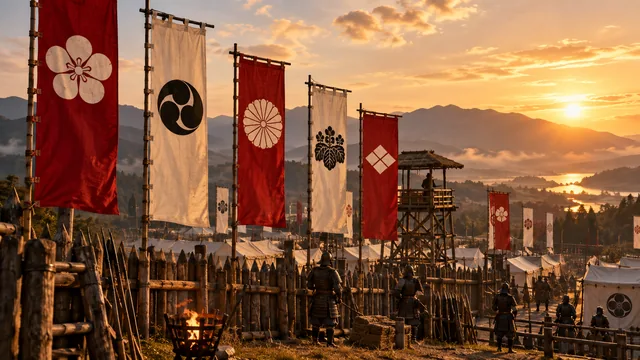
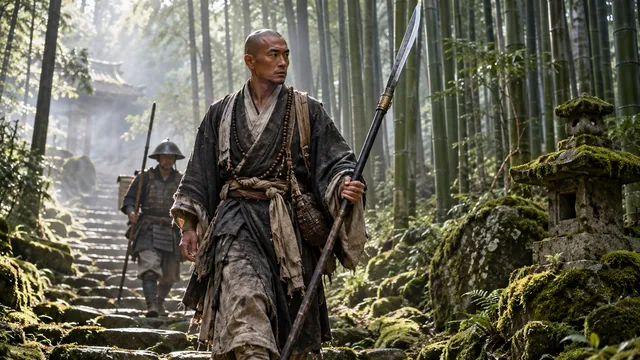
Samurai Titles and Ranks: From Shogun to Ashigaru
A clear guide to samurai titles and ranks, from the shogun and daimyo down to hatamoto, karo and ashigaru, and what court titles like "no Kami" really meant.
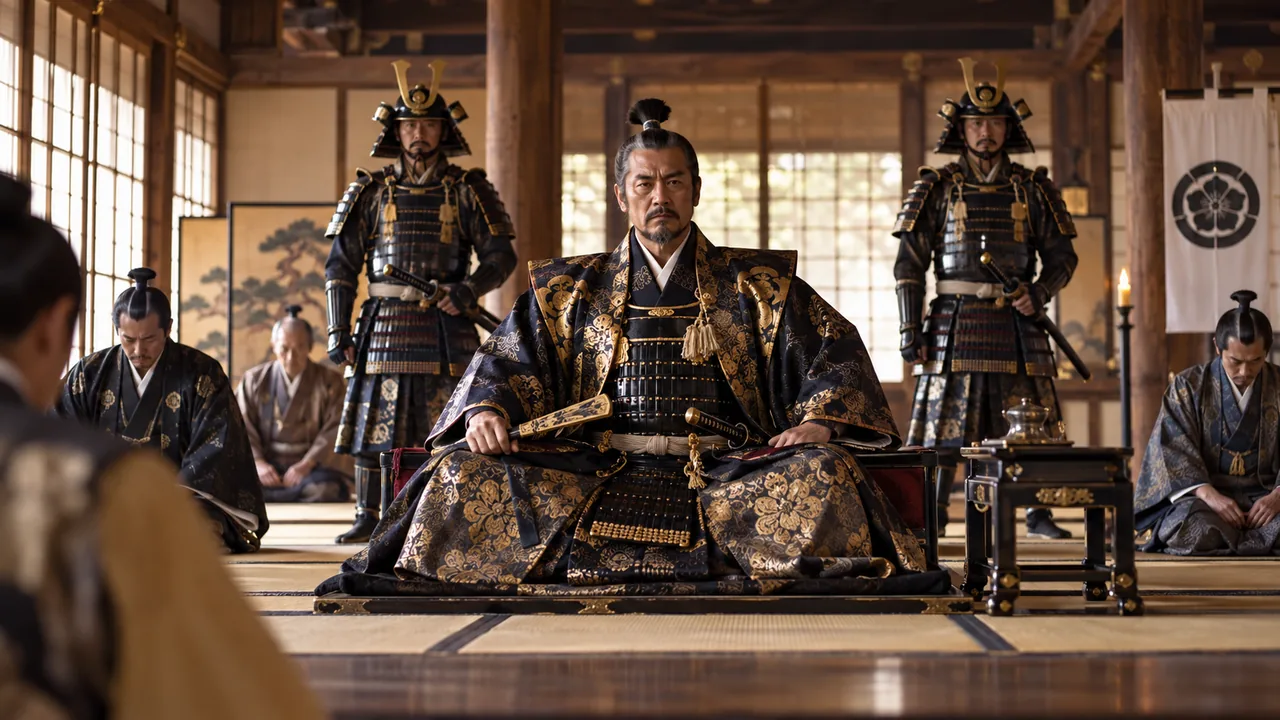
Samurai titles and ranks ran from the shogun at the top, through daimyo lords and their senior retainers, down to the ashigaru foot soldiers at the bottom. On top of that military ladder sat a separate system of court titles, which is where names like "Echizen no Kami" come from. This guide explains each major rank, what the kanji mean, and how the system changed over time.
Two Ladders: Military Rank and Court Title
The easiest way to understand samurai hierarchy is to see it as two systems running side by side.
- The military and administrative ladder: who served whom, how much land or stipend they had, and what job they did. Shogun, daimyo, hatamoto and karo belong here.
- The imperial court ladder: ancient titles and numbered court ranks that came from the emperor. Over the centuries samurai acquired these as marks of prestige, even though they had little to do with the original jobs.
A single Edo period lord could be a daimyo of a domain (military ladder), hold the Junior Fifth Rank, Lower Grade (court rank) and carry the title "governor" of a province he had never visited (court title). Keeping the ladders separate makes historical names much easier to read.
A word on the basic terms: samurai (侍) comes from a verb meaning "to serve," while bushi (武士), "military gentleman," is the broader word for the warrior class. Our article on Japanese warrior names covers these words in detail.
At the Top: Shogun, Regents and Deputies
Shogun
将軍, shogun, is short for sei-i taishogun (征夷大将軍), "great general who subdues the barbarians." Originally a temporary commission for campaigns in the northeast, it became the title of Japan's military ruler. Minamoto no Yoritomo received it in 1192, Ashikaga Takauji in 1338 and Tokugawa Ieyasu in 1603. The last shogun, Tokugawa Yoshinobu, gave up power in 1867.
The title was granted by the emperor, which is why every shogun, however powerful, formally ruled on the emperor's behalf.
Shikken and kanrei
In the Kamakura period, real power soon passed from the Minamoto shoguns to the Hojo family, who ruled as shikken (執権), "regent." Under the Ashikaga shoguns of the Muromachi period, the chief deputy was the kanrei (管領), an office held by the Hosokawa, Shiba and Hatakeyama families.
Kampaku and Taiko
Toyotomi Hideyoshi never became shogun. Instead he took the court office of kampaku (関白), imperial regent, and later the title Taiko (太閤) for a retired kampaku. It shows that the top title depended on who held power and how they chose to justify it.
Daimyo: The Great Lords
大名, daimyo, is written with the characters for "great" and "name." The term grew out of the medieval landholding system, and its meaning shifted over time:
- Kamakura and Muromachi periods: the shogunate appointed shugo (守護), military governors of provinces, and jito (地頭), land stewards. Over time many shugo became powerful regional lords.
- Sengoku period: warlords such as Takeda Shingen and Uesugi Kenshin ruled their territories largely independently. Historians call them Sengoku daimyo.
- Edo period: a daimyo was a lord whose domain was assessed at 10,000 koku or more. A koku (石) was a measure of rice, roughly what one person ate in a year.
The Tokugawa sorted daimyo into three groups: shinpan (親藩), relatives of the Tokugawa; fudai (譜代), hereditary vassals who had served the Tokugawa before the Battle of Sekigahara; and tozama (外様), "outside" lords who submitted later. Fudai daimyo staffed the top government offices, while powerful tozama houses like the Shimazu and Date were watched carefully.
Retainers and Officials of the Shogunate
Hatamoto and gokenin
The shogun's own direct retainers below daimyo level were divided into two groups. Hatamoto (旗本), "beneath the banner," had the right to an audience with the shogun. Gokenin (御家人), "honorable house men," were lower ranking and did not. Both held less than 10,000 koku.
Be careful with gokenin: in the Kamakura period the same word meant any direct vassal of the shogun, a far more prestigious status than in the Edo period.
Senior offices
| Title | Kanji | Literal meaning | Role in the Edo shogunate |
|---|---|---|---|
| Tairo | 大老 | "Great elder" | Occasional chief minister above the roju |
| Roju | 老中 | "Elders" | Senior councillors running national affairs |
| Wakadoshiyori | 若年寄 | "Junior elders" | Supervised hatamoto and gokenin |
| Bugyo | 奉行 | "Commissioner" | Heads of offices, such as Edo town magistrates |
| Metsuke | 目付 | "Attached eye" | Inspectors who monitored officials |
Inside a Domain: Karo and Retainers
Each domain mirrored the shogunate on a smaller scale. At the top of a daimyo's household were the karo (家老), "house elders," senior retainers who managed the domain, often hereditarily. When the lord was absent in Edo, which the alternate attendance system required regularly, karo ran affairs at home. Below them came domain magistrates, also called bugyo, and ranks of ordinary retainers, each with a stipend measured in rice.
The story of the 47 ronin turns on a karo: Oishi Kuranosuke was chief retainer of the Ako domain, which is why he led the others after their lord's death. You can read the full story in our guide to ronin names.
Ashigaru: The Foot Soldiers
足軽, ashigaru, means "light feet." They were foot soldiers, armed in the Sengoku period with spears, bows and, from the mid sixteenth century, matchlock guns. Their status was often fluid: in the Sengoku period a capable ashigaru could rise, and Toyotomi Hideyoshi's own early career began near the bottom of the ladder.
Hideyoshi then helped close that door. His sword hunt of 1588 and the class edict of 1591 drew a firmer line between warriors and farmers. In the Edo period, ashigaru were the lowest rank of the warrior class, sometimes counted as samurai and sometimes not, depending on the domain.
Court Titles: What "no Kami" Means
Many samurai names carry a phrase like Echizen no Kami or Kozuke no Suke. These come from the ancient system of provincial governors, which had four grades of officer:
| Grade | Kanji | Meaning | Example |
|---|---|---|---|
| Kami | 守 | Governor | Echizen no Kami 越前守 |
| Suke | 介 | Vice governor | Kozuke no Suke 上野介 |
| Jo | 掾 | Secretary | Rare in samurai names |
| Sakan | 目 | Clerk | Rare in samurai names |
By the Edo period these titles were honorary. The famous Edo town magistrate Ooka Tadasuke was known as Ooka Echizen, from his title Echizen no Kami, even though he governed nothing in Echizen. Kira Yoshinaka, the official at the center of the 47 ronin story, was Kozuke no Suke. In Kozuke province the governorship was nominally reserved for an imperial prince, so "vice governor" was the highest title a samurai could hold there.
Court titles came with numbered court ranks as well. The ranks ran from First down to Eighth, with a lowest Initial rank below them. The numbered ranks were each divided into Senior and Junior grades, with further Upper and Lower divisions from the Fourth Rank down. Many Edo period daimyo held the Junior Fifth Rank, Lower Grade (従五位下), while the greatest houses rose higher, and the Tokugawa shoguns themselves rose to the highest ranks of all. Rank and title together placed a samurai precisely within the formal order, even when his real power came from somewhere else entirely.
The word kami can also be written 頭 for the head of a court bureau. Asano Naganori, lord of Ako, held the title Takumi no Kami (内匠頭), head of the palace craftsmen bureau.
Tip: A title like Echizen no Kami goes after the surname and before or instead of the personal name, never in place of the surname. "Ooka Echizen no Kami Tadasuke" is a full formal style; "Echizen Tadasuke" is not.
The honorific side of these titles, along with dono, sama and the "no" in clan names, is covered in our article on samurai honorifics.
Using Ranks and Titles in Your Names
If you are naming a character, rank matters as much as the name itself. A daimyo should have a respected surname and probably a court title. A hatamoto can carry a provincial title in the later Edo period. An ashigaru would more likely be known by a plain common name, and might not have an officially recognized surname at all.
Above all, treat titles as titles. "Shogun," "daimyo" and "karo" describe positions; they are never personal names. If you want a lord's name with the right weight, the Daimyo Lord style in our samurai name generator builds names suited to that rank, and the blog has more history to help you place a character in the right era.
Frequently Asked Questions
What was the highest samurai rank?
The highest military title was shogun, short for sei-i taishogun, granted by the emperor. In practice, regents such as the Hojo shikken in the Kamakura period sometimes held more real power than the shogun. The emperor and court nobles stood above the samurai in formal rank, even when they had little political power.
What is the difference between a daimyo and a samurai?
A daimyo was a samurai lord who ruled a domain. In the Edo period the term meant a lord whose lands were assessed at 10,000 koku of rice or more. Ordinary samurai served a daimyo or the shogun as retainers and received a stipend in return.
What does "no Kami" mean in a samurai's name?
No Kami usually means "governor of" a province, as in Echizen no Kami, governor of Echizen. By the Edo period these titles were largely honorary and granted to daimyo and senior officials as marks of status. It is a title, not part of the person's actual name.

Written by the Samurai Names Editorial Team
We research samurai history, Japanese names and kanji, and check every name against standard dictionaries. Read our editorial policy or contact us with corrections.